
Culture and peoples
A crossroads between the Ethiopian highlands and the Nile lowlands, Benishangul-Gumuz has a rich and diverse cultural heritage.
Culture
Five peoples, one region
The region is named after its peoples: the Berta (Benishangul) and the Gumuz. Together with the Shinasha, Mao and Komo they are the region’s indigenous nations, each with its own language. Amhara, Oromo, Agaw-Awi and others also live here.
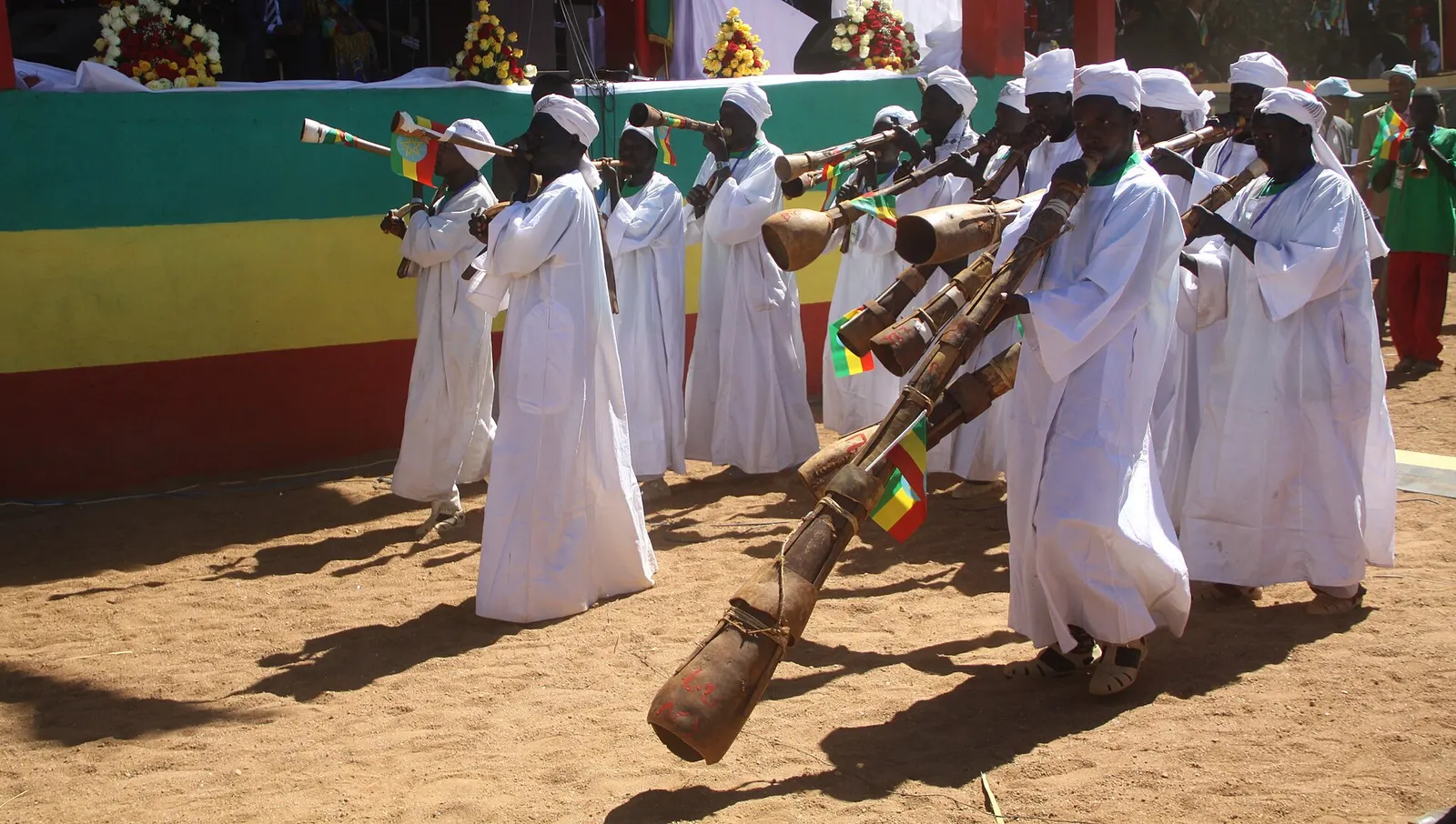
Mainly around Asosa; known for horn and trumpet ensembles played at weddings and celebrations.
Living along the Abay, Beles and Dabus valleys; known for pottery and basket weaving.
Speakers of the Boro language, living mainly in Metekel Zone.
One of the two peoples of the Mao-Komo Special Woreda in the south of the region.
Living in the Mao-Komo Special Woreda in the far south-west, near the border with Sudan.
Culture
Music and celebration
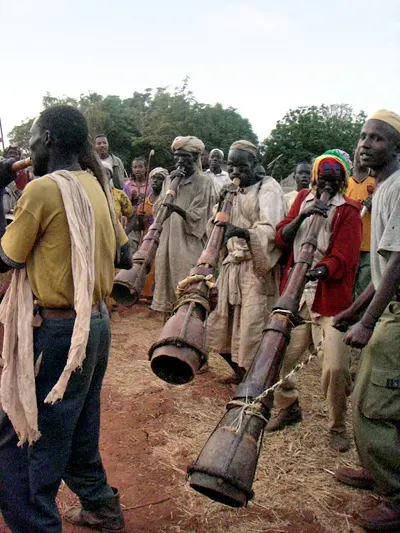
Ensembles of long horns and trumpets, singing and dancing accompany weddings, harvests and public holidays. Festive white dress and colourful ornaments are worn on special days.
Culture
Crafts
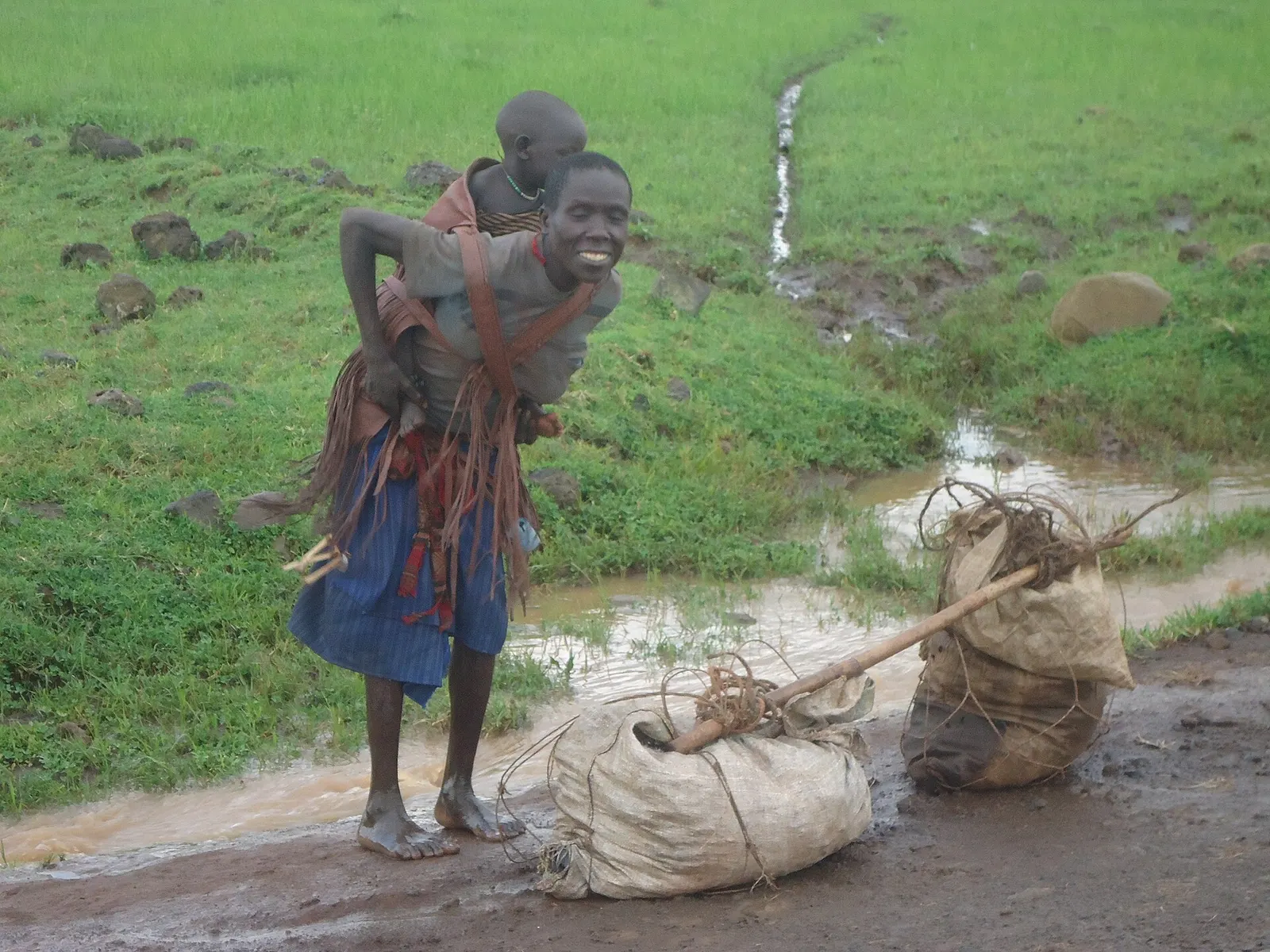
Basket weaving from bamboo and grasses, pottery, wood carving and the age-old craft of panning gold from the region’s rivers are passed down through generations.
Culture
Markets
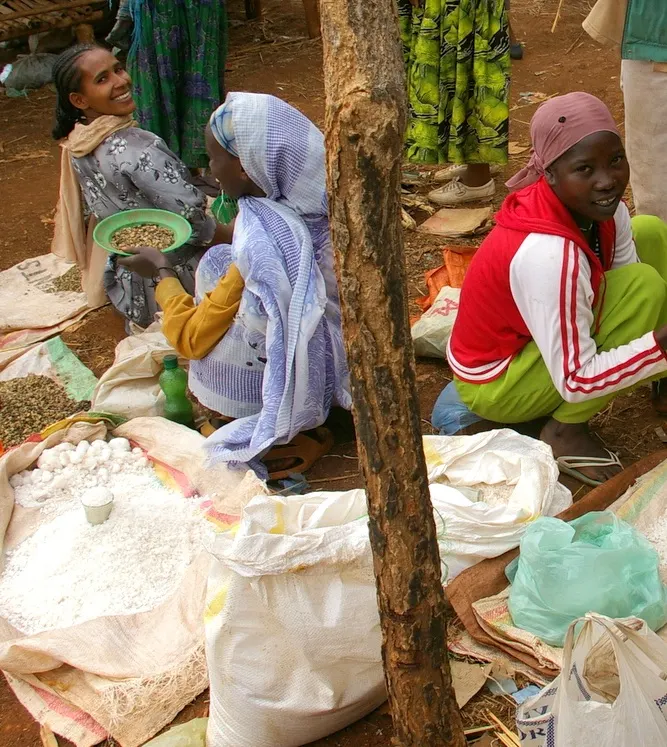
Weekly markets in Asosa and other towns bring together farmers, traders and craftspeople from every community.
